
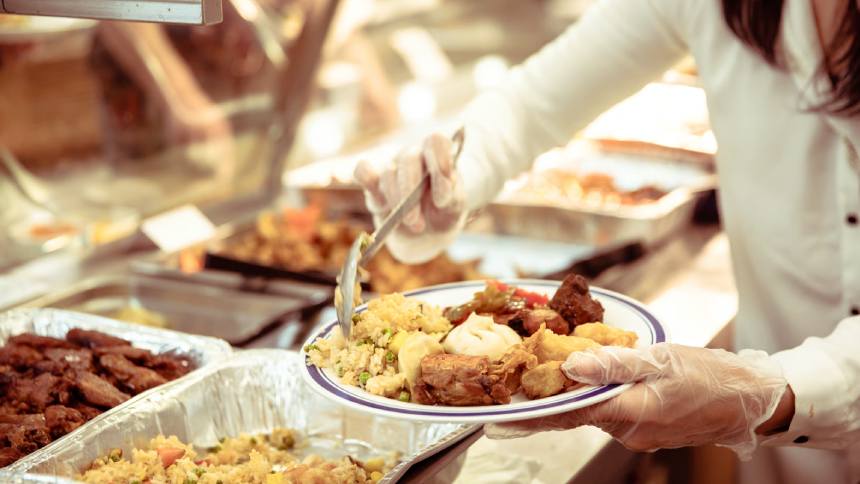
When planning events in Chicago, understanding the differences between halal and non-halal catering is essential, especially for Muslim guests who require strict adherence to dietary laws. Halal Caters, a trusted company that sells fresh and authentic halal food in Chicago, specializes in halal catering that meets religious requirements while delivering delicious meals. You can explore their services at Halal Caters.
What Makes Catering Halal?
Halal catering follows Islamic dietary laws, which include:
- Permissible Meat: Only animals slaughtered according to Islamic guidelines are used
- No Prohibited Ingredients: Alcohol, pork, and their derivatives are strictly avoided
- Clean and Separate Preparation: Utensils, cooking areas, and staff handling ensure no cross-contamination with non-halal foods
- Ethical Sourcing: Ingredients come from trusted halal-certified suppliers
Halal Caters ensures these standards are followed for every dish, guaranteeing authentic halal meals for your event.
How Non-Halal Catering Differs
Non-halal catering does not follow Islamic dietary restrictions. Key differences include:
- Meat Source: May include pork or meats not slaughtered according to halal guidelines
- Ingredient Use: Alcohol, gelatin, or other non-halal products may be present
- Preparation: No specific separation of halal and non-halal foods
- Certification: Non-halal caterers do not require or follow halal certification
While non-halal catering may offer similar cuisines, it cannot guarantee compliance with Islamic law.
Practical Implications for Event Planning
Choosing between halal and non-halal catering affects:
- Guest Comfort: Muslim guests may avoid non-halal meals, reducing guest satisfaction
- Event Credibility: Providing halal meals shows respect for religious and cultural needs
- Menu Flexibility: Halal caterers can still provide diverse cuisine while maintaining compliance
Halal Caters delivers menus that cater to all tastes without compromising on halal standards.
Common Misconceptions
- Halal food is limited: In reality, halal catering offers diverse menus, including Pakistani, Indian, Middle Eastern, fusion, and kid-friendly dishes
- Halal is expensive: Professional caterers like Halal Caters offer scalable packages to fit different budgets
- Halal preparation is complicated: Trained staff handle preparation efficiently while ensuring compliance
Understanding these differences helps hosts make informed decisions for their events.
Benefits of Choosing Halal Catering
- Trust and Peace of Mind: Guests can dine confidently
- Compliance with Religious Laws: Essential for Muslim audiences
- Professional and Safe Service: Halal caterers like Halal Caters maintain hygiene and quality
- Versatility: Halal catering can match weddings, corporate events, family gatherings, or community programs
Why Halal Caters Stands Out
Halal Caters ensures every meal is halal-certified, fresh, and professionally prepared. Services include:
- Customizable menus for diverse events
- Professional staff trained in halal handling
- Scalable portions for both small and large events
- Delivery, setup, and cleanup handled efficiently
By choosing halal catering, hosts demonstrate respect, inclusivity, and a commitment to quality.
Final Thoughts
Understanding the differences between halal and non-halal catering is vital for planning events in Chicago that respect guests’ dietary needs. With Halal Caters, you can offer fresh, delicious, and fully halal-compliant meals that satisfy all attendees while maintaining faith and quality standards.
For professional halal catering that meets strict dietary requirements, visit Halal Caters and ensure your next event is both respectful and memorable.
Leave a Reply